Traditional Canoe Voyages: Stories from the Pacific

Reviving Ancient Traditions
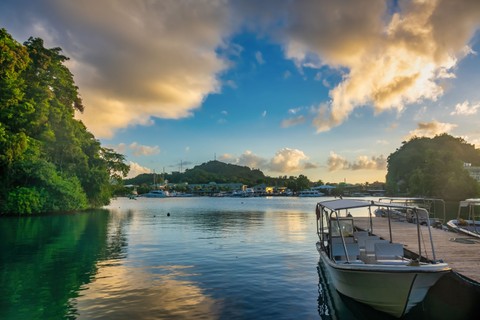
In the vast expanse of the Pacific Ocean, a remarkable resurgence is taking place. Traditional canoe voyages are breathing life back into centuries-old maritime traditions. These journeys, once a cornerstone of Pacific Island culture, are being revived by communities eager to reconnect with their ancestral roots. The canoes are not just vessels but symbols of resilience and identity.
For generations, these canoes enabled exploration and settlement across the Pacific’s countless islands. Today, they represent a bridge between the past and present, reminding us of the ingenuity and navigational prowess of ancient mariners. As modern navigators embark on these voyages, they do so without GPS or modern instruments, relying instead on the stars, ocean swells, and traditional knowledge passed down through the ages.

The Art of Wayfinding
Central to these voyages is the art of wayfinding, a sophisticated navigation technique that has been practiced for thousands of years. Wayfinders read the ocean and sky, observing stars, wind patterns, and sea currents to chart their course. This skill requires not only acute observation but also a deep spiritual connection with nature. As these navigators journey across the ocean, they carry with them the wisdom of their ancestors.
The revival of wayfinding has been largely driven by cultural leaders and educators who see its value beyond navigation. It is a tool for cultural preservation, offering younger generations a tangible link to their history. By mastering these techniques, young navigators learn not only how to sail but also about their heritage and identity.

Community and Cultural Reconnection
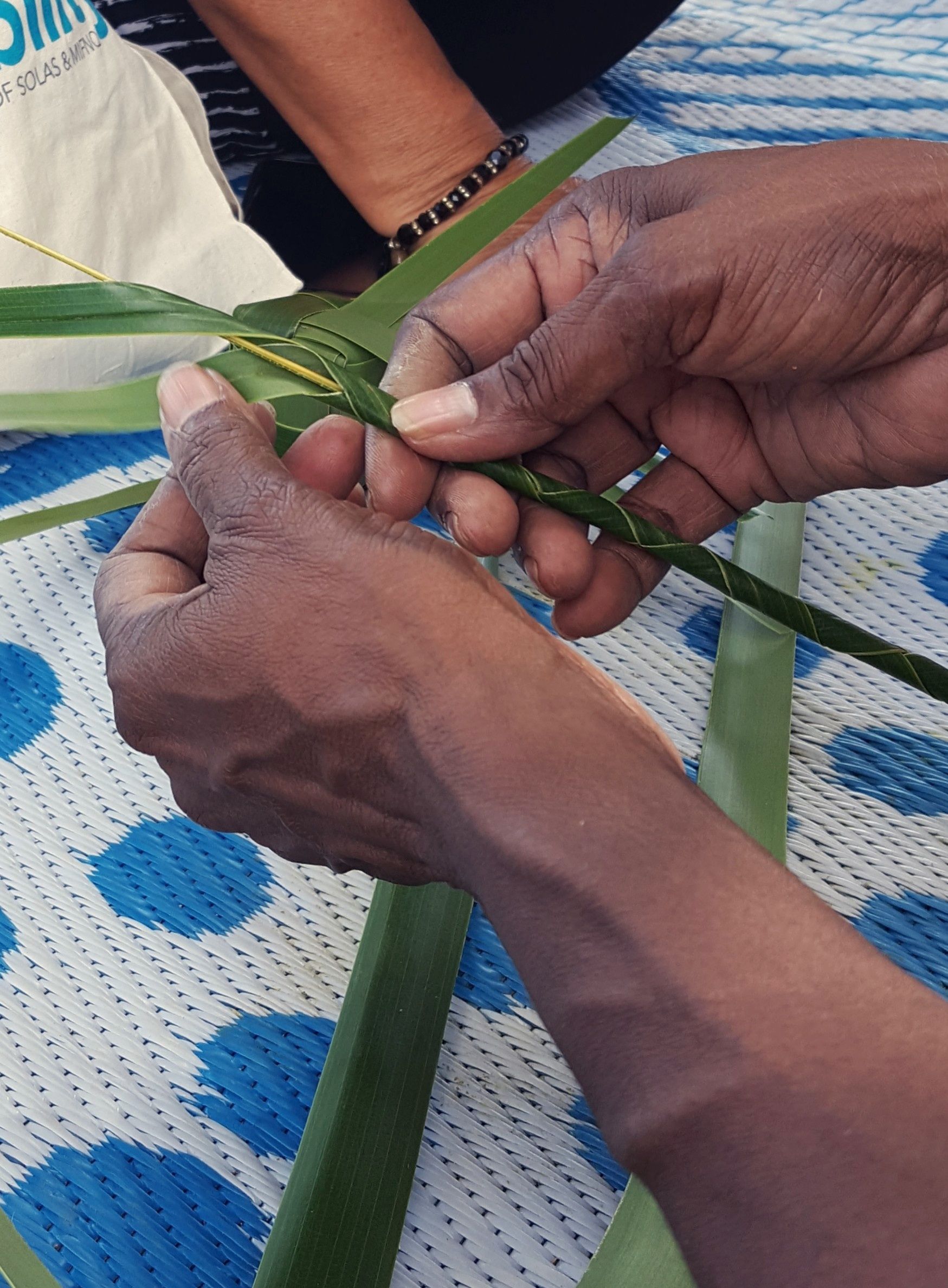
The impact of traditional canoe voyages extends beyond navigation skills. These journeys foster a strong sense of community and cultural pride. Preparing for a voyage is a communal effort, involving not just the sailors but entire villages. From building the canoes to provisioning them for long journeys, everyone plays a role.
Canoe voyages are often celebrated with festivals and ceremonies that highlight the rich cultural tapestry of the Pacific Islands. These events are opportunities for storytelling, music, and dance, where elders pass down legends and histories that have been kept alive through oral tradition.

Environmental Stewardship
Amidst these cultural celebrations, there is also a growing awareness of environmental stewardship. The ocean is not only a highway but a home, and traditional navigators are acutely aware of their role as caretakers of this vast ecosystem. Canoe voyages often serve as platforms for raising awareness about ocean conservation and sustainable practices.
By embracing traditional sailing methods, these communities minimize their environmental footprint while highlighting the importance of protecting marine resources. This harmonious relationship with nature is integral to Pacific Island cultures and is being championed as part of the broader conversation on climate change and conservation.
A Legacy for Future Generations
The revival of traditional canoe voyages is not just about preserving the past; it is about securing a legacy for future generations. As young people engage with these traditions, they gain valuable life skills such as leadership, teamwork, and resilience. These experiences shape them into custodians of their heritage and ambassadors for their cultures.
Moreover, these voyages create an enduring narrative that inspires pride and unity among Pacific Islanders. As the canoes cut through the waves, they carry more than just passengers—they carry stories, dreams, and aspirations for a future that honors the past while embracing the challenges of tomorrow.
